Contouration Font Review: A Vintage-Style Display Typeface for Editorial Design
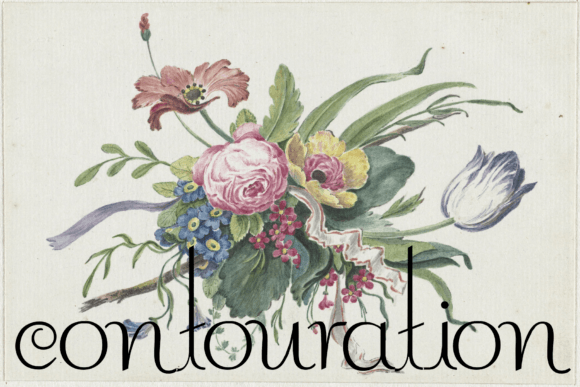
I was recently tasked with redesigning the cover of a digital magazine focused on mid-century design and retro aesthetics. The goal was to evoke a nostalgic yet refined mood, something that would immediately communicate the publication’s identity without being overwhelming. That’s when I discovered Contouration, a bold and stylish retro display font with unique lines and shapes. Its design gives a vintage vibe, perfect for logos, posters, and headlines—just what I needed to set the tone for this project.
Contouration in Magazine Covers and Headlines
In editorial design, the first impression is everything. Contouration delivers that effortlessly. As a display font, it’s not meant for long paragraphs, but it shines in headlines and section titles. When I used it as the main headline on the magazine cover, it instantly drew attention while maintaining clarity—even at smaller sizes. The balance between expressiveness and readability makes it ideal for Fonts that need to stand out but still function well in print or digital formats.
What stood out most was how Contouration carries a sense of craftsmanship. Each character has subtle inconsistencies that mimic hand-lettered type, giving it warmth and authenticity. This made it a natural fit for the “Retro Revival” issue we were working on, where visual storytelling plays a big role. It helped reinforce the theme without needing extra graphics or textures.
Contouration for Lifestyle Blog Headers and Article Titles
A few weeks later, I was asked to help a lifestyle blogger revamp their website header. They wanted something timeless but modern enough to appeal to a younger audience. After testing several options, Contouration became the clear choice. It offered the right amount of personality without being too quirky—key for a blog that covers everything from travel to home decor.
The blogger had previously used a script font, which felt too casual and hard to read on mobile screens. Switching to Contouration improved both legibility and impact. Readers could easily scan the page, and the font added just the right touch of elegance to the brand identity. It worked especially well in article titles, helping establish a strong visual hierarchy while keeping the layout clean and inviting.
Why Display Fonts Work Best for Headers
Display fonts like Contouration are specifically designed for short bursts of text—think headers, pull quotes, and chapter openers. Unlike serif or sans serif fonts intended for body copy, they prioritize style over subtlety. In this case, using Contouration for headers allowed me to maintain a consistent editorial mood across the site. It also created contrast with the more neutral, readable typefaces used for the content itself, ensuring the reader's focus remained where it should be: on the articles.
Contouration in Wedding Guides and Branding Materials
I’ve been working on a printable wedding guide that includes event planning tips, vendor lists, and design inspiration. Choosing the right font was crucial because the guide needed to feel both romantic and professional. Contouration was perfect for the title pages and featured pull quotes, offering a bold presence that matched the vintage-inspired layouts.
- Wedding invitations: The font adds a classic charm without feeling outdated.
- Section headers: Its unique shape helps organize information in a visually appealing way.
- Branding consistency: We paired it with a minimalist sans serif for body text, creating a cohesive look across all materials.
One thing I noticed early on is that while Contouration is expressive, it doesn’t sacrifice clarity. This is rare among many Fonts in the retro category, where stylization often comes at the cost of readability. It’s easy to adjust spacing and sizing to suit different platforms, whether it’s a PDF download or a social media graphic.
Font Pairing Tips for Editors and Designers
When integrating Contouration into an editorial layout, thoughtful font pairing is essential. As a display font, it works best when balanced with more subdued, high-contrast typefaces. For example, pairing it with a clean sans serif like Helvetica Neue or a traditional serif like Georgia creates a harmonious contrast that supports visual hierarchy.
Here’s how I’ve successfully used it in various contexts:
- Magazine feature pages: Used Contouration for the main title and a lighter sans serif for captions and body copy.
- Recipe ebooks: Applied it to chapter headings and special ingredient highlights, making the content more engaging.
- Newsletter headers: Chose it for the newsletter title to add a touch of sophistication and draw readers in.
It’s important to check if the font you're using includes alternates, ligatures, and multiple weights. With Contouration, these features are present and enhance its versatility in editorial settings. Whether I’m designing for web or print, knowing that I can adjust the weight or access stylistic variations makes the process smoother and more creative.
Readability Considerations Across Platforms
While Contouration is bold and stylish, it’s also surprisingly adaptable. On screen reading devices, it holds up well when used in headers and decorative accents. However, I recommend avoiding it for small caption text or dense paragraphs. Its expressive nature works better in larger sizes where each letter can breathe and retain its shape.
For PDF exports and print materials, I found that it prints cleanly at 16pt and above. Kerning adjustments may be necessary in some cases, but overall, it’s a reliable Font for both digital and physical publications. It’s particularly effective in worksheets and coaching workbooks where visual emphasis is key. Using it for chapter openers or call-out boxes helped highlight important concepts without disrupting the flow of the text.
What Not to Use Contouration For
Despite its strengths, Contouration isn’t suitable for every use case. For instance, using it for body copy in a course PDF led to a drop in readability. Readers struggled to follow along due to the font’s exaggerated forms and lack of standard glyph proportions. Similarly, it didn’t perform well in small footnotes or legal disclaimers where precision and clarity matter most.
If you’re considering Contouration for your next project, ask yourself: Is this a place where visual impact is more important than fine detail? If yes, then it might be a great fit. But for anything requiring extended reading or precise alignment, stick to more conventional typefaces.
Commercial Use and Licensing Notes
Before finalizing the font for the wedding guide, I made sure to review its licensing terms. Like many premium Fonts, Contouration allows commercial use, including printables, digital magazines, and paid newsletters. This is vital for designers who want to ensure their work remains compliant, especially when distributing assets publicly or selling templates.
Also worth noting is its multilingual support. While it primarily serves English-based publications, it does include glyphs for common European languages. This makes it suitable for international branding or global editorial projects, provided the language requirements align with the included characters.
As for file formats, it comes in standard outlines that integrate smoothly into Adobe products like InDesign and Photoshop. This means no issues with rendering or embedding in digital downloads or client-facing publications.
Final Impressions: A Thoughtful Addition to Any Designer’s Toolkit
Working with Contouration reminded me why good Fonts are so valuable in editorial design. It’s not just about looking stylish—it’s about creating a mood, reinforcing a message, and guiding the reader’s eye. As a display font, it brings character to any layout while staying true to the principles of readability and structure.
Whether you’re crafting a new brand identity, updating a blog header, or building a printable planner, Contouration offers the right blend of vintage flair and modern functionality. It’s a font that speaks clearly even when it looks dramatic, which is exactly what you need in a world full of distractions.
So if you're searching for a Font that adds depth to your designs without overshadowing your content, consider Contouration. Test it in a real-world scenario—like a digital magazine layout or a recipe ebook—and see how it transforms your editorial voice into something memorable.