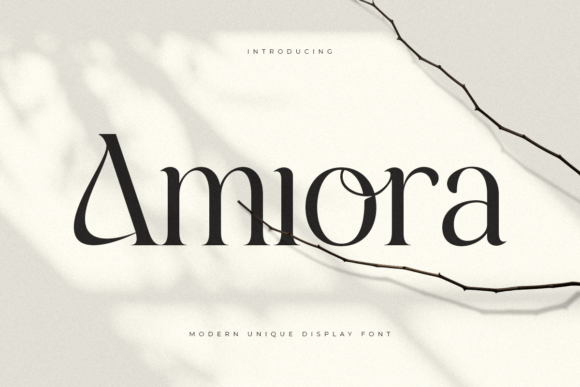
Amiora Font: A Refined Choice for Editorial Design
I was recently tasked with redesigning a lifestyle blog layout — one that had grown over the years but now needed a fresh, elegant look. The challenge wasn’t just about colors or spacing; it was about finding the right typeface to elevate the tone of the content and guide readers through each post with ease and grace. That’s when I discovered Amiora, an elegant serif font that feels like a quiet confidence in every letterform.
Amiora for Lifestyle Blog Headers and Article Titles
In editorial design, the choice of font sets the mood before a single word is read. Amiora has a balanced weight that isn’t too thin or too thick, which makes it ideal for headers where you want to maintain visual presence without overwhelming the reader. Its subtle serifs add a touch of sophistication, perfect for lifestyle blogs that aim to feel curated and intentional.
I tested Amiora on several article titles, and its rhythm helped establish a calm flow from the header into the body copy. It doesn’t shout, but it does invite attention. For digital publications, especially those targeting a mature or minimalist audience, this kind of serif font can be a game-changer. It brings a sense of trust and timelessness to the page — something that modern sans-serif fonts often lack.
Amiora in Recipe Ebook Covers and Chapter Openers
While working on a client’s recipe ebook, I wanted a typeface that would reflect both beauty and approachability. Many fonts used in cookbooks lean toward bold display styles, which can work well but sometimes clash with the warmth of the content. Amiora, on the other hand, provided the delicate balance we were looking for. It felt personal, yet professional, and gave the cover a soft luxury that stood out among generic templates.
I also applied it to chapter openers within the same project. The varied stroke widths and refined curves of the serif font made each section feel distinct and welcoming. Readers could instantly recognize the structure of the book, and the font’s personality helped reinforce the brand identity as thoughtful and high-quality.
Why Amiora Works Well for Print and Digital Formats
Fonts need to perform across multiple platforms, and Amiora handles screen reading and print materials alike with elegance. In long-form content like ebooks or magazines, readability is key. Amiora’s consistent x-height and open apertures make it surprisingly legible even at smaller sizes, which is essential for body text in some layouts. However, I found it most effective when used for titles, pull quotes, and decorative accents rather than dense paragraphs.
For digital use, such as PDF exports or mobile-friendly newsletters, Amiora’s crisp edges and clear forms ensure it remains sharp and easy to read. When paired with a clean sans serif font for body text or captions, it creates a strong visual hierarchy while maintaining a cohesive look across the publication.
Amiora for Wedding Guides and Branding Materials
Wedding guides and invitations demand a certain level of class and charm, and Amiora delivers exactly that. I used it in a printable wedding planner I was designing for a boutique stationery brand. The font’s delicacy gave the product a romantic and timeless feel, while its structured form kept it from appearing too ornate or difficult to read.
This kind of serif font is particularly useful in branding for events, fashion, and lifestyle niches. It adds a layer of refinement that speaks directly to audiences who value aesthetics and quality. Whether it's a cover title, a callout box, or a signature line, Amiora fits seamlessly into the overall design language of a wedding guide or similar publication.
Designing with Amiora in Magazine Layouts and Newsletter Graphics
When setting up a digital magazine layout, the right font helps create a visual narrative. Amiora became my go-to for feature headlines and pull quotes because it added character without sacrificing clarity. I paired it with a minimalist sans serif for body copy, allowing the contrast to highlight important sections without jarring the reader.
For newsletter graphics, especially those focused on storytelling or educational content, Amiora offered a unique edge. It helped me craft headers that felt warm and inviting, encouraging readers to scroll further. The font’s versatility allowed it to work equally well in a monthly email subject line or as a decorative accent on a landing graphic.
Amiora in Coaching Workbooks and Printable Planners
Coaching workbooks often require a blend of professionalism and approachability. Amiora met that need perfectly. I used it for section headings and motivational prompts, creating a space where the reader felt guided by the design itself. The font didn’t distract from the content but enhanced the experience by making each step feel more deliberate and valued.
In printable planners, Amiora served as a headline font for weekly summaries and goal-setting pages. It’s not overly decorative, so it works well in structured layouts without clashing with grids or calendars. The included alternates and ligatures allowed for a few creative touches here and there, keeping the design from feeling static or boring.
Typography Tips When Using Amiora for Editorial Projects
- Font Pairing: Combine Amiora with a clean sans serif like Lato or Montserrat for body text. This pairing ensures readability while letting the serif shine in headlines and pull quotes.
- Visual Hierarchy: Use Amiora for major titles and subtitles to draw attention, then switch to a lighter or simpler style for supporting text.
- Multilingual Support: Before finalizing your design, check if Amiora supports the languages you’re using. This is crucial for international publications or niche markets.
- Commercial Licensing: Always review the licensing agreement to ensure it covers your intended use — whether it's for a paid course, subscription-based newsletter, or branded printables.
Amiora for Course PDFs and Content Branding
One of the most satisfying applications of Amiora was in a course PDF for a wellness coaching platform. The font brought a sense of calm and intentionality to the entire document, aligning with the course’s mission of mindfulness and self-care. It was especially effective in chapter openers and sidebars where emphasis and elegance were needed.
Using Amiora for content branding allowed the creator to maintain a consistent voice throughout their digital assets. From social media graphics to web design elements, the font subtly reinforced the brand’s values of simplicity and sophistication. It’s not just a serif font; it’s a tool for shaping perception and guiding user experience.
How Amiora Enhances Reader Engagement and Mood
Readers engage differently with content depending on the typography. Amiora encourages a slower, more reflective engagement, which is why it works so well in long-form articles and printed guides. The soft curves and balanced proportions give it a relaxed rhythm, making it easier to follow a story or concept from start to finish.
Its mood is understated but present. You won’t find wild flourishes or aggressive angles in Amiora, but instead, a composed and graceful appearance. This makes it suitable for any font-based design that aims to evoke elegance, whether it’s a poetry anthology or a corporate annual report with a softer tone.
Testing Amiora in Real-World Publishing Scenarios
During my test run, I applied Amiora to a variety of real-world publishing scenarios. One standout was using it in a digital magazine layout for a travel publication. The cover title alone transformed the visual appeal, giving the issue a polished and premium look. Inside, it was used for subheadings and featured pull quotes, adding a sense of gravitas to the content.
Another instance was a printable productivity guide. Here, Amiora worked wonders in section headers and motivational blurbs. It added a touch of creativity to what could have been a dry layout, helping readers connect emotionally with the material. The font’s adaptability is one of its greatest strengths, especially in editorial design where context shifts constantly.
Choosing Amiora Over Other Fonts for Editorial Consistency
With so many fonts available today, choosing the right one can be daunting. But Amiora stands apart for its ability to remain consistent across different uses. Whether it’s a bold headline or a quiet subtitle, the font maintains its core identity. That kind of consistency is vital for building a recognizable brand identity and ensuring your content feels unified and intentional.
I compared Amiora to other serif fonts and found it more versatile. It lacks the heaviness of some traditional serifs, making it better suited for modern, clean layouts. At the same time, it carries enough character to avoid blending into the background. This duality makes it a strong candidate for anyone building a content-driven product or publication.
Final Considerations for Working with Amiora
Before committing to Amiora in a project, take the time to explore its full range of weights and styles. These variations allow for greater flexibility in creating contrast and depth. Also, consider how the font behaves in different environments — will it hold up in small print? How does it render on mobile screens?
For those interested in using Amiora for commercial projects, double-check the licensing terms. Many creators rely on commercial fonts for revenue, so having a font that allows for broad usage without legal hiccups is invaluable. Make sure to verify support for accented characters if you're working with non-English languages.
Lastly, don’t forget the power of font pairing. While Amiora shines on its own, combining it with a complementary typeface can unlock new design possibilities. Think of it as the main character in your typographic story — it should be supported by others who enhance the plot without stealing the spotlight.
Where to Start with Amiora in Your Next Project
If you're currently working on a digital magazine, a recipe collection, or a branded newsletter, Amiora could be the missing piece you’ve been searching for. It’s a serif font that understands subtlety and complements the message behind your words. By integrating Amiora into your font stack, you’re not just choosing a typeface — you’re curating an experience.
So the next time you’re designing a blog header, an ebook cover, or a printable worksheet, ask yourself: Does this font speak the language of my brand? If you're looking for something that feels both classic and contemporary, Amiora may just be the answer.