Rose Monogram Font: A Decorative Typeface for Eye-Catching Brand Campaigns
It was a typical Thursday afternoon, and I was deep in the weeds of a product launch campaign for a new line of luxury bath products. The client wanted something soft yet bold—something that could convey elegance while still standing out in fast-scrolling feeds. That’s when I opened my font library and landed on Rose Monogram, a beautiful floral-theme decorative font that immediately caught my eye. As a marketing designer, I knew it had potential, but would it work across all the platforms we needed to cover? Let’s walk through how Rose Monogram performed in our real-world campaign workflow.
Rose Monogram for Product Launch Headlines and Packaging Design
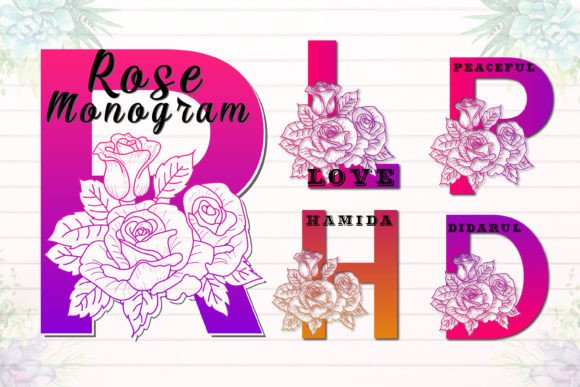
Rose Monogram is a premium font with a strong visual identity. Its floral theme adds a touch of sophistication and charm, making it ideal for branding initiatives and packaging design. In this case, we used it for the headline on the product teaser image and the logo placement on the box mockup. The result? A cohesive look between digital content and physical packaging that felt both curated and authentic.
The font communicates a sense of handcrafted beauty without being overly ornate. It’s not too busy, which means it works well even in minimalist layouts. For instance, when paired with a soft pastel background and a simple sans serif supporting font, it created a balance between whimsy and clarity. This is key for brand recognition—especially if you're aiming for a boutique or artisanal vibe.
Rose Monogram in YouTube Thumbnails and Reels Covers
YouTube thumbnails and Instagram Reels covers are all about grabbing attention in 0.5 seconds. I tested Rose Monogram on a set of thumbnails promoting a seasonal sale. The font’s organic curves and floral elements gave the thumbnails a fresh, inviting feel. When designing for these small preview sizes, I made sure the text was short and punchy, using the font for display text rather than long copy.
I found that Rose Monogram shines brightest when used as a callout or title. Its unique character shapes helped the headlines stand out against stock imagery of blooming flowers and elegant products. But here’s the catch: because it’s a decorative typeface, it needs more white space and larger sizing compared to standard fonts. I recommend using it at a minimum of 48px on thumbnails and ensuring high contrast with the background to maintain legibility.
Rose Monogram in Social Media Posts and Promo Graphics
We also used Rose Monogram in a series of Instagram posts for an upcoming webinar. Each post featured a quote from the speaker wrapped in the font. The effect was subtle but impactful—viewers commented on how the quotes “felt like a personal note.” That kind of emotional resonance is exactly what a creative font like Rose Monogram brings to the table.
For email banners and promo graphics, I limited the use of Rose Monogram to headers and taglines. Supporting copy was handled by a clean sans serif font to preserve readability. This approach allowed the decorative aspect of the font to shine without overwhelming the message. It worked particularly well with dark backgrounds where the lighter tones of the font added contrast and elegance.
How Rose Monogram Enhances Visual Hierarchy and First Impressions
In campaign design, first impressions matter. Using Rose Monogram for a landing page header instantly elevated the tone of the page. It wasn’t just another modern typography choice—it told a story. The floral theme hinted at femininity, nature, and craftsmanship, aligning perfectly with the brand’s positioning.
Its personality makes it a great fit for editorial design, too. We used it in a blog post series titled “The Art of Self-Care,” and it helped establish a warm, inviting mood. However, I made sure to keep the body text in a neutral font so readers wouldn’t get lost in the details of the decorative characters.
Rose Monogram for Branded Templates and Digital Ads
When creating a set of branded templates for a Pinterest campaign, Rose Monogram became the go-to font for titles and section headers. The floral elements blended seamlessly with botanical and lifestyle themes, helping the pins feel curated rather than mass-produced. It’s a subtle advantage, but one that can make your content blend better with user-generated aesthetics on platforms like Pinterest.
For digital ads, I used it sparingly. While it’s perfect for logos and short headlines, it doesn’t hold up well in dense information areas. Instead, I reserved it for the main headline and paired it with a straightforward sans serif for the rest of the ad copy. This ensured message clarity while keeping the visual appeal intact. Always check the included styles and ligatures before finalizing the layout—Rose Monogram offers enough variation to add depth without repetition.
What Works and What Doesn’t: Realistic Expectations for Rose Monogram
While Rose Monogram is a standout in promotional visuals, it’s not a one-size-fits-all solution. It’s best suited for short phrases, headlines, and decorative titles. Long paragraphs or tiny text won’t do justice to its style, and it definitely isn’t right for formal corporate communication. Think of it as a supporting actor in your design—great for accents, but not the lead role in data-heavy reports or legal disclaimers.
One thing I noticed early on was that the font performs best when used consistently across multiple assets. Whether it was a YouTube thumbnail, an Instagram story, or a website banner, sticking to Rose Monogram helped reinforce brand consistency. Just remember to pair it carefully with other fonts to avoid clashing styles. A good rule of thumb is to combine it with a clean serif or sans serif font for maximum impact.
Practical Tips for Using Rose Monogram in Your Campaigns
- Use for short, impactful messages: Rose Monogram is excellent for headlines, callouts, and logotypes. Keep the text concise and let the font speak for itself.
- Avoid tiny text or long paragraphs: The font’s decorative nature means it loses clarity at smaller sizes or in extended reading formats.
- Pair with a complementary font: Try matching it with a modern typography system or a script font for layered designs. Always test combinations on mobile to ensure they remain legible.
- Check file formats and licensing: Before using Rose Monogram in commercial projects, confirm that it includes the necessary weights and supports multilingual characters if required. Also, review the font license to ensure it’s suitable for merchandise, web design, or digital products.
- Optimize for platform visibility: On fast-scrolling feeds, give it enough spacing and size to be read at a glance. Avoid overloading the design with too many elements around it.
In conclusion, Rose Monogram is a versatile decorative font that adds a sprinkle of charm to any visual project. From branding initiatives to riveting logotypes, it’s a creative font that helps campaigns stand out without sacrificing professionalism. If you’re looking for a way to inject personality into your next design, consider giving it a try—you might just find it fits your campaign’s style better than you expected.