Qusnaidy Font Review: A Script Handwritten Typeface for Authentic Branding
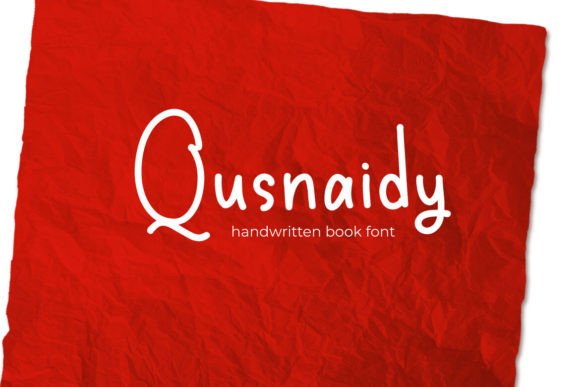
I recently found myself in the familiar yet thrilling moment of opening a blank brand board for a local artisanal candle business. The client wanted something that felt personal, warm, and evocative of craftsmanship. As I scrolled through font libraries, my eye caught Qusnaidy, a script handwritten font with smooth lines and graceful curves. It immediately clicked — this wasn’t just another decorative typeface; it had character.
Qusnaidy on a Logo Draft: Adding Personality to a Boutique Candle Brand
For the candle logo, I needed something that would feel like a signature or an invitation to experience something handmade. Qusnaidy - Handwritten Book Font brought exactly that mood. Its flowing strokes gave the logo a soft, approachable look without losing elegance. I tested it against several premium fonts — some serif, others sans serif — but none matched the warmth Qusnaidy offered.
One thing to note is that it works best when used sparingly. I paired it with a minimalist sans serif body font for the tagline and product names, which helped maintain legibility while still letting the personality shine through. If you’re using Qusnaidy as a logo font, make sure it’s clear how it complements the rest of your visual identity system.
Using Qusnaidy in Packaging Mockups: A Touch of Craftsmanship
Next up was the packaging design. The candles came in wooden boxes with linen wraps, so the typography needed to reflect the tactile nature of the product. When I applied Qusnaidy to the box label, it felt like the kind of handwriting you’d see on a handwritten recipe card — inviting, authentic, and a little bit nostalgic.
The subtle variations in stroke weight and the natural rhythm of each letter made the labels stand out from mass-produced designs. However, I did have to be careful with spacing and contrast, especially when printing on textured surfaces. A few letters looked a bit cramped at first, but adjusting the tracking and leading made all the difference. Always test Qusnaidy in print before finalizing any commercial design assets.
Qusnaidy in Product Labels: Where Elegance Meets Clarity
Each candle flavor name was styled with Qusnaidy. At first glance, it seemed risky to use a script font for product titles, but the font’s inherent readability in larger sizes worked well. I recommend keeping product labels short and impactful if you're using Qusnaidy as a headline font. The more text you add, the harder it becomes to maintain the clean aesthetic it offers.
Qusnaidy in Social Media Layouts: Creating Emotional Connection
When designing Instagram posts for the candle brand, I knew the visuals had to feel intimate. Qusnaidy lent itself perfectly to captions and hero text in carousel ads. Its organic flow created a sense of storytelling, making the content feel less corporate and more like a conversation between the brand and its audience.
I found it particularly effective for short phrases and quotes. For example, “Handcrafted with love” in Qusnaidy looked like it was written by the founder herself. That’s the power of a good handwritten font — it can communicate sincerity and authenticity in a way that polished digital typefaces often can’t.
Font Pairing with Qusnaidy: Finding Balance in Design
If you're planning to use Qusnaidy in editorial design or multi-layered branding systems, consider pairing it with a modern sans serif or a clean serif font for contrast. In one case, I used it alongside a geometric sans serif for a blog header, and the combination felt both elegant and contemporary. This kind of font pairing helps maintain hierarchy while allowing the Script Handwritten style of Qusnaidy to take center stage where appropriate.
- Sans Serif Pairings: Works well with Helvetica Neue or Montserrat for a clean, modern look.
- Serif Pairings: Pairs nicely with Georgia or Didot for a more classic, refined feel.
- Other Script Fonts: Use caution. Qusnaidy has enough uniqueness to stand on its own.
Qusnaidy in Web Design: From Hero Sections to Call-to-Actions
I also experimented with Qusnaidy in a homepage hero section for a small creative studio. The font added a human touch to the website header, which otherwise had a very structured layout. Users responded positively during early feedback rounds, noting that it felt welcoming and creative.
However, avoid using it in long paragraphs or navigation menus. Like most script handwritten fonts, it’s better suited for headlines, call-to-action buttons, and short statements. For body copy, stick to a simpler typeface. Remember to check webfont availability if you plan to embed Qusnaidy into live websites.
Qusnaidy in Business Cards: Making a Memorable First Impression
Business cards are where brands leave their strongest impression. I used Qusnaidy for the name field in a mockup for a boutique skincare line. The result? A subtle yet memorable card that stood apart from the usual sans serifs and blocky logos. The handwritten font created a sense of exclusivity and care — perfect for a niche market.
Just keep in mind that not all clients will appreciate the informal tone of a script handwritten font in a business context. Always confirm the target audience and brand voice before locking in Qusnaidy for such details.
Qusnaidy in Brand Identity Systems: Consistency and Recognition
Incorporating Qusnaidy into a full brand identity system required thoughtful application. I used it in brand boards for a handmade soap shop, applying it to key elements like the logo, product tags, and promotional banners. The consistent use of this Handwritten Book Font across all touchpoints helped build brand recognition and reinforced the artisanal theme.
What impressed me was how Qusnaidy maintained its charm even when scaled down slightly for secondary brand elements. But again, when it comes to long-form content or anything needing high readability in small sizes, it’s not the ideal choice. Think of it more as a supporting typeface rather than the primary font in your system.
Testing Qusnaidy Before Client Work: Best Practices
Before recommending Qusnaidy to a client, I always do a quick test run. Here’s what I suggest:
- Print a sample logo or packaging label to see how it looks physically.
- Test it on screen across different devices and resolutions.
- Check how it behaves in various color backgrounds and lighting conditions.
- Use it in multiple formats (print, web, social media) to ensure consistency.
Limitations and Considerations: What Qusnaidy Isn't Built For
While Qusnaidy shines in boutique branding and lifestyle projects, it’s not the go-to for formal corporate identities or data-heavy reports. Its cursive style and lack of strict uniformity may not suit environments requiring precision or clarity in large volumes of text.
If you're working on something like a financial brochure or a technical manual, you’ll want a more rigid typeface. But for branding materials like posters, flyers, or greeting cards, Qusnaidy is a strong contender.
Commercial Font Licensing: A Quick Reminder
Before using Qusnaidy - Handwritten Book Font in client work, always verify the licensing terms. Many free downloadable fonts don’t allow commercial use, especially for items like brand identity, packaging, merchandise, or templates. Ensure the version you purchase includes the necessary rights for your intended use.
Some platforms offer tiered licenses depending on whether you need it for webfonts, print-on-demand products, or digital marketing. Take the time to understand these options — it could save you legal headaches down the road.
Final Impressions: A Creative Font Worth Considering
After using Qusnaidy across a range of design assets — from logos to social media layouts — I can confidently say it adds a unique flair to branding work. It’s not just a pretty font; it’s a tool that communicates emotion, quality, and intention. Whether you're crafting a luxury brand, a cozy café identity, or a handmade gift shop’s visual language, Qusnaidy brings a level of sophistication rarely seen in other Fonts of its kind.
It’s important to remember that while Script Handwritten fonts like Qusnaidy are powerful for creating emotional connections, they should be used with awareness of their limitations. They’re not meant to replace solid foundational typefaces but to enhance them. So, next time you're designing for a brand that needs to feel more personal, give Qusnaidy a try — it might just become your new favorite Handwritten Book Font.