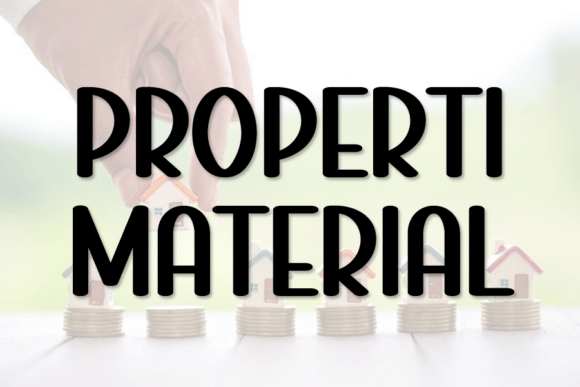
Properti Material Font for Creative Branding Projects
I was sitting at my desk, staring at a blank brand board, when I decided to take a chance on Properti Material. It’s been a while since I stumbled across a display font that felt both playful and professional enough to work in real branding. The product description had called it a “fun and quirky display font” — not exactly the kind of phrase that screams seriousness, but as I started experimenting with it, I realized how versatile it really is.
Properti Material in Logo Design for a Local Café
My client wanted something memorable for their new café — a place that blends cozy vibes with a touch of modern flair. When I first opened Properti Material, I could see its charm immediately. The letterforms are bold yet whimsical, with subtle inconsistencies that give it a handcrafted feel. It wasn’t screaming “coffee shop,” but it definitely whispered “creative corner.”
I tested it on a few logo drafts. One version used it as the main headline paired with a clean sans serif for the tagline. The contrast worked beautifully: Properti Material brought attention and personality, while the secondary font provided clarity and balance. I noticed how the font didn’t just stand out visually — it also helped define the café's mood. It felt like the kind of font you’d find in a trendy neighborhood spot where baristas wear vintage band t-shirts and pastries come in mismatched mugs.
The best part? Even though it has that quirky edge, Properti Material holds up well in print and digital formats. On a mockup of a chalkboard-style sign above the counter, it looked warm and inviting. In a hero banner for the homepage of the café’s website, it added just the right amount of character without overwhelming the design.
Properti Material for Packaging and Product Labels
Once the logo was approved, it was time to move into packaging. My client sells specialty coffee bags and homemade baked goods, so the labels needed to be legible but also fun. That’s where Properti Material truly shone. Used sparingly as an accent typeface, it gave the product names a sense of uniqueness. For example, the label on the "Cinnamon Roll" bag had a small header in Properti Material followed by a simple sans serif for the ingredients list — perfect for drawing the eye and keeping information clear.
I also tried it on a sticker design for the café’s loyalty cards. At first glance, it felt too eccentric, but after adjusting the size and spacing, it fit seamlessly. The font’s quirks became strengths here — they hinted at the artisanal quality of the products without being over the top. And yes, it passed the readability test even in smaller sizes, which surprised me given its decorative nature.
How Properti Material Complements Brand Identity
When building a brand identity, typography plays a huge role in shaping perception. Properti Material isn’t your typical corporate font — it’s got soul. It works especially well for brands that want to feel approachable yet distinctive. Whether you’re designing for a boutique, skincare line, or creative studio, this font can add a layer of warmth and originality.
In one of my mockups, I used Properti Material alongside a minimalist sans serif for a handmade soap brand. The result? A visual identity that felt personal and authentic. The font didn’t distract from the product; instead, it made the brand feel more human. Clients often forget that fonts aren’t just about looks — they shape how people feel about a brand. With Properti Material, that emotional connection starts with the name itself.
Using Properti Material in Social Media Graphics and Posters
Social media assets are where Properti Material really comes alive. I created a few Instagram posts using it as the headline font, and the engagement was noticeably higher than previous designs. It’s not just about aesthetics — it’s about standing out in a sea of generic content. This font does that effortlessly.
- Instagram post headers: Bold and colorful, it fits perfectly in a grid layout.
- Flyer headlines: It adds energy and draws the viewer in without being distracting.
- Event posters: Paired with a classic serif, it creates a balanced, eye-catching composition.
One thing I learned quickly is that Properti Material needs space to breathe. Overcrowding it with other elements can mute its effect. But when given room, it commands attention and feels intentional.
Properti Material in Website Headers and Print Marketing Materials
For web design, I used Properti Material in the hero section of a landing page for a local creative studio. The goal was to showcase their unique services in a way that felt fresh and engaging. Placing the studio’s name in Properti Material instantly set the tone — creative, confident, and a little bit cheeky.
On printed materials like brochures and business cards, I found that using Properti Material as a supporting typeface helped maintain consistency. For example, the studio’s tagline was set in Properti Material while the body copy used a neutral sans serif. This allowed the message to pop without sacrificing professionalism.
Font Pairing Tips with Properti Material
If you're thinking about using Properti Material, don’t go all-in right away. Start by pairing it with another typeface to see how it interacts. Here are a few combinations I’ve tested:
- Sans Serif + Properti Material: Clean and contemporary meets fun and expressive. Ideal for modern retail or lifestyle brands.
- Script Font + Properti Material: Two expressive fonts together can create a cohesive, artistic look — just make sure there’s a hierarchy.
- Classic Serif + Properti Material: Think vintage-inspired boutiques or artisanal shops. The contrast between old-world elegance and quirky charm is striking.
It’s always smart to check what styles and alternates come included. From what I saw, Properti Material offers enough variation to play around with different weights and ligatures, which is helpful when creating multiple design assets. If your project requires multilingual support, confirm that the font covers the necessary characters before finalizing anything.
Commercial Use and Licensing Considerations
Since many of my clients run commercial ventures, I always double-check licensing details. Properti Material seems to offer commercial use options, which makes it great for entrepreneurs launching a product-based business or freelancers working on client projects. Just ensure you review the terms before publishing any design assets — especially if you're using them in merchandise or signage.
Also, consider the file format compatibility. If you're using Adobe Illustrator or Photoshop for your brand materials, verify that Properti Material integrates smoothly. I personally prefer OTF and TTF files for maximum control, but others might find WOFF or WOFF2 easier for web integration.
Real-World Observations with Properti Material
After several rounds of revisions, I settled on Properti Material as the primary display font for the café’s brand system. It performed surprisingly well in unexpected places too — like on a menu board where it was used for dessert titles. The whimsical style made each item feel special, almost like a secret shared between the customer and the designer.
I also used it on a series of short-form social captions and found that it maintained its charm even in tight spaces. It’s rare for a display font to hold up in such varied applications, but Properti Material did. Its quirks never felt forced or unprofessional — just thoughtfully designed.
Testing Before Committing
Before locking in any font for a full brand system, I recommend doing a quick audit. Try Properti Material in different contexts: logos, headers, subheaders, social graphics, and print collateral. See how it behaves under various conditions — color overlays, background textures, and low-resolution screens.
Here’s what I suggest:
- Print a sample business card to see how it reads offline.
- Test it on a mockup of a storefront sign — will it be visible from a distance?
- Use it in a digital ad — does it render clearly on mobile?
Why Choose Properti Material for Your Next Project
Let’s face it — most display fonts either scream “too much” or fall flat. Properti Material walks the line perfectly. It brings a sense of creativity and warmth that’s hard to replicate with standard fonts. It doesn’t shout; it charms.
What sets it apart is how it adapts. Whether you're designing for a small craft store or a modern co-working space, this font can help tell the story of the brand. It’s not limited to any one niche, which is a big plus for designers who work across industries.
As someone who values both form and function, I appreciate how Properti Material allows for flexibility without losing its core appeal. It’s a premium font that feels accessible — the kind of tool every designer should have in their arsenal.
Final Notes on Branding with Properti Material
Working with Properti Material reminded me why I love what I do. Fonts aren’t just letters — they’re expressions of a brand’s voice. This one has a lot to say, and it says it well. It’s not for everyone, but for the right project, it can be transformative.
If you’re looking for a display font that’s both fun and functional, I’d encourage you to give Properti Material a try. Test it out in a few scenarios, pair it with complementary fonts, and see how it fits your workflow. You might just find that it becomes a staple in your own design toolkit.