Beach Towel Font for Laid-Back Branding and Creative Design
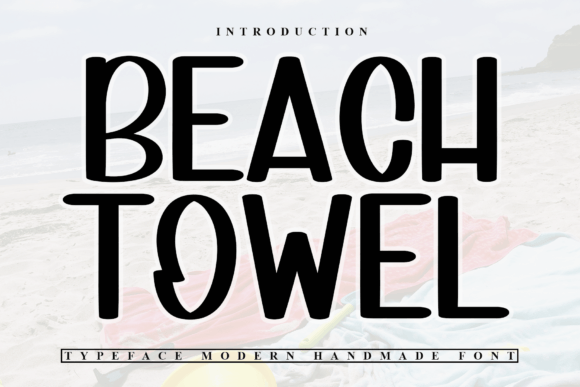
I recently picked up Beach Towel, a script handwritten font that immediately caught my eye. As a designer, I’m always on the lookout for typefaces that bring personality to a brand without overwhelming it. Beach Towel, with its fluid strokes and organic charm, seemed like a perfect candidate for a local café project I was working on — one that needed warmth, simplicity, and a touch of seaside coolness.
First Impressions: Testing Beach Towel in a Logo Draft
The first time I opened Beach Towel in my design software, I knew it had character. The handwritten font has a natural rhythm that feels almost like cursive but less formal. It’s got that relaxed, sun-soaked energy that you want for a casual lifestyle brand or something with a creative twist. I tested it on a logo mockup for a small coffee shop nestled near the coast. The client wanted something friendly yet professional — not too artsy, but definitely not corporate either.
Using Beach Towel as the headline in the logo gave the name a soft, inviting feel. I paired it with a clean sans serif font for the tagline to balance out the script’s looseness. The result? A visual identity that felt approachable and fresh — exactly what the client needed to stand out from the usual chain look.
Beach Towel in Packaging Design for a Handmade Shop
Another real-world use came when I worked on packaging for a boutique selling artisanal bath products. The brand leaned into natural ingredients and a minimalist aesthetic. I thought Beach Towel could be a subtle way to add a personal touch without sacrificing clarity.
I used it sparingly — mainly for product names and short descriptions on labels. Because it’s a script handwritten font, it brought a sense of authenticity and care to the designs. The organic lines mimicked the texture of hand-drawn calligraphy, which is great for brands wanting to highlight craftsmanship. Just a few words in Beach Towel made the whole package feel more intimate and curated.
Readability Considerations with Script Handwritten Fonts
One thing I always check when using a script handwritten font like Beach Towel is how legible it remains at different sizes. While it shines in display settings — think logos, headers, or Instagram captions — I found that using it for long-form text wasn’t ideal. That said, for short phrases or accent text, it adds just the right amount of whimsy without becoming distracting.
I recommend keeping it for headlines and pull quotes, especially if your audience skims content quickly. For body copy, stick to a solid sans serif or serif font. But don’t write it off entirely; Beach Towel can still work wonders in editorial layouts when used strategically, like for chapter titles or featured testimonials.
Bringing Casual Elegance to Social Media Graphics
Social media branding is all about tone and consistency. When I used Beach Towel in an Instagram post for a wellness blog, it helped set the mood instantly. The fluid strokes of this handwritten font matched the blog’s laid-back, nature-inspired content style. I applied it to quote graphics and promotional banners, where it added a human element that digital fonts often lack.
What stood out was how versatile Beach Towel could be. In one post, I used it for a bold statement header. In another, I layered it subtly over a photo background with a semi-transparent white box. Each time, it maintained its charm while fitting seamlessly into the platform’s layout. This flexibility is rare in many script handwritten fonts, making Beach Towel a valuable addition to any designer’s toolkit.
Font Pairing Tips with Beach Towel
If you’re thinking about using Beach Towel in your next project, pairing it with the right supporting typeface is key. I’ve had success combining it with modern sans serifs like Montserrat or Open Sans for a crisp contrast. These pairings keep the design grounded and readable while letting the Beach Towel shine in key areas.
- Sans Serif Combinations: Great for digital interfaces or minimalistic branding where contrast between headings and body text is important.
- Classic Serif Fonts: Work well for print materials like menus or brochures where you want a mix of elegance and friendliness.
- Other Script Fonts: Avoid unless you’re aiming for a very stylized look. Beach Towel has enough character on its own.
Always test these combinations across platforms — web, mobile, print — to ensure they maintain their integrity and readability.
How Beach Towel Enhances Brand Perception
In the early stages of a branding project, typography plays a huge role in shaping how a brand is perceived. With Beach Towel, there’s an immediate shift toward warmth and accessibility. It’s not flashy, but it’s memorable. The casual elegance of this font gives a brand a human face, which is particularly effective for businesses focused on community, lifestyle, or creativity.
For example, when I placed Beach Towel on a shop sign for a local bookstore, the owner loved how it felt like a personal invitation. The font didn’t shout; it whispered. That kind of subtlety is powerful in today’s saturated market. It builds trust and familiarity, two things every brand wants.
Practical Use in Flyers and Posters
Posters and flyers are where Beach Towel really comes alive. Its dynamic form works beautifully in large formats. Whether it’s a summer sale flyer for a vintage clothing store or a poster announcing a pop-up event, Beach Towel adds movement and energy to the design.
I once used it for a food truck festival poster and found that it complemented the overall vibe perfectly. The organic lines of the script handwritten font echoed the handcrafted nature of the food trucks themselves. People stopped to read it longer than expected — a sign of good visual hierarchy and strong audience engagement.
Using Beach Towel in Website Headers and Merchandise
On the web, Beach Towel performed admirably in hero sections and landing page headers. It has enough variation in letterforms to avoid repetition, which helps with brand recognition. I also noticed how it looked great on merchandise like tote bags and mugs — the fluid strokes translated well to fabric and ceramic surfaces, adding a tactile appeal to the brand experience.
When designing a homepage for a new skincare line, I used Beach Towel for the main title. It gave the site a gentle, nurturing tone that aligned with the brand’s message. I made sure to adjust spacing and contrast so the font remained clear and impactful at a glance. Even though it’s a handwritten font, with the right styling, it can hold its own in professional contexts.
Designing with Multilingual Support in Mind
One thing I appreciate about premium fonts like Beach Towel is the attention to detail in multilingual support. If your project needs to include multiple languages — perhaps for international packaging or marketing — it’s crucial to verify that the font supports those characters. I checked the included styles and alternates before finalizing the brand assets and was happy to see it offered a wide range, which allowed me to confidently expand the brand’s reach without compromise.
Realistic Observations: What Works and What Doesn’t
Working with Beach Towel taught me a few lessons about using script handwritten fonts effectively. First, they need breathing room. Don’t cram them into tight spaces or tiny text blocks. Second, they benefit from a bit of texture or color behind them. I found that slightly warming up the background or using a light shadow helped it stand out better in print and digital formats alike.
Also, consider the audience. Beach Towel isn’t going to work for a tech startup or a law firm, but it thrives in creative niches like art studios, beachside eateries, and handmade product shops. It’s a premium font that fits best in projects where personality and approachability are priorities.
Testing Before Committing to Your Brand System
Before integrating Beach Towel into a full brand identity, I suggest testing it in several scenarios. Try it on a business card mockup, a website wireframe, and a social media ad. See how it looks in both high-contrast and low-contrast environments. Does it still feel elegant and fresh? Can it hold up under different lighting conditions?
I personally like to create a “font test board” in Figma or Photoshop. It includes variations of the font in different weights (if available), on various backgrounds, and in different scales. This helps me visualize how it will behave in the real world — from printed menus to online banners.
Commercial Use and Licensing Notes
Since many designers use Fonts for client work, licensing is a big concern. Beach Towel is designed for commercial use, which means you can safely apply it to logos, packaging, websites, and other paid projects. However, always double-check the specific license terms provided by the font vendor to ensure compliance, especially if you're working with clients who may not be familiar with font rights.
Final Thoughts from a Designer's Perspective
Over the past few weeks, Beach Towel has become one of my go-to script handwritten fonts for projects that demand a warm, human touch. It’s not a font that tries too hard — instead, it brings quiet confidence and charm to whatever it touches. Whether you’re crafting a logo design for a boutique or adding flavor to your latest editorial layout, Beach Towel offers a unique blend of freshness and elegance that’s hard to find elsewhere.
So if you’re looking for a creative font that can elevate your design assets with ease and grace, give Beach Towel a try. You might just find yourself reaching for it again and again in your next branding project.